


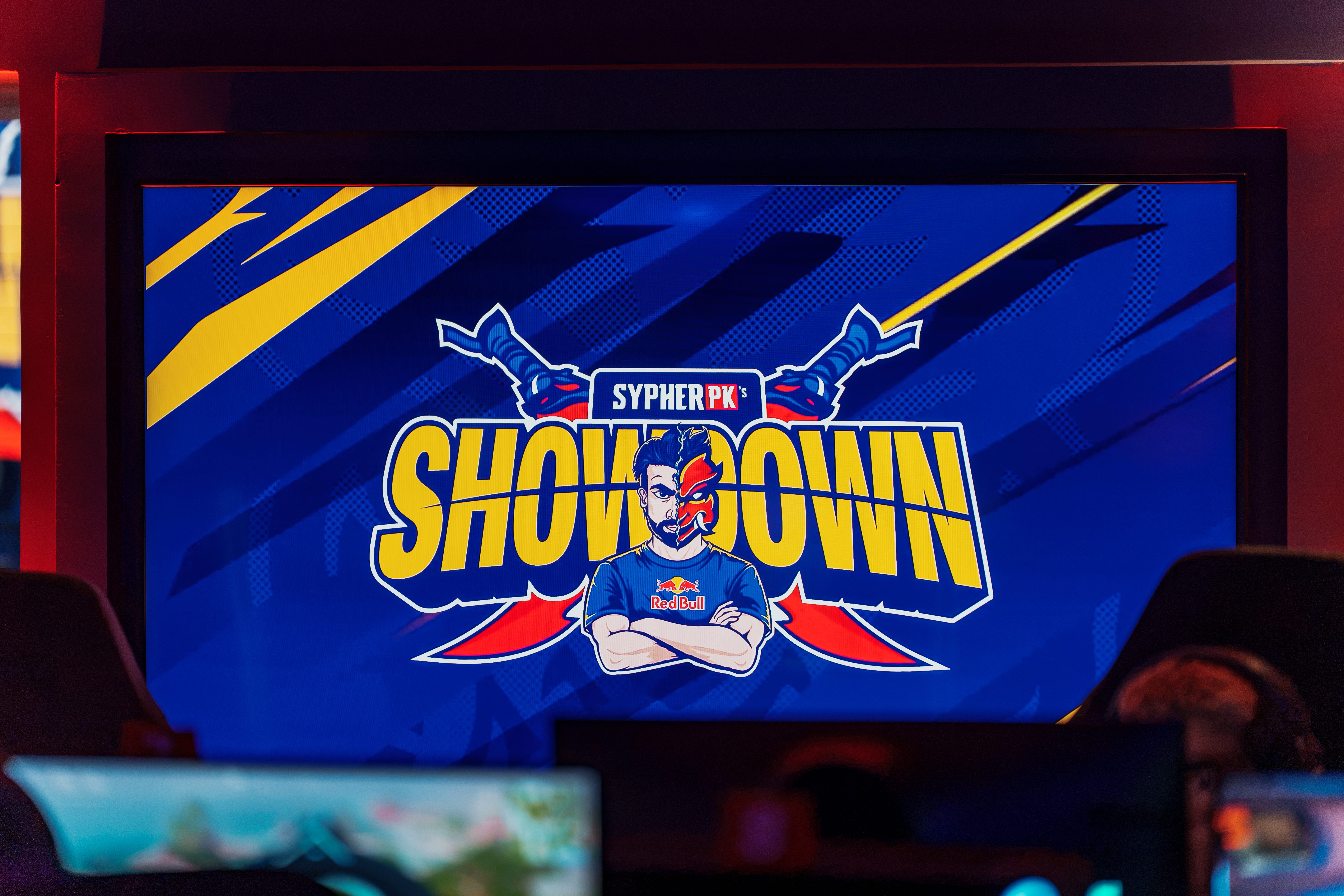
I’ve played Fortnite casually since its inception — since day one of Save the World early access, before the battle royale component ballooned into a cultural phenomenon — and often wondered about its longevity in the early years. Epic Games has long since dispelled that questioning with regular updates, mind-bending content partnerships, and an explosive competitive scene drawing crowds to global destinations, including the $2,000,000 Fortnite Global Championship in Antwerp, Belgium, on September 26-27.
Still, competitive battle royale has historically suffered from a spectator problem: tracking dozens of scattered players across an island is chaotic for casual fans. Going into SypherPK’s Showdown tournament at Fort Worth’s Museum of Science and History Omni Theater, I was unsure of what to expect. I walked away mightily impressed.
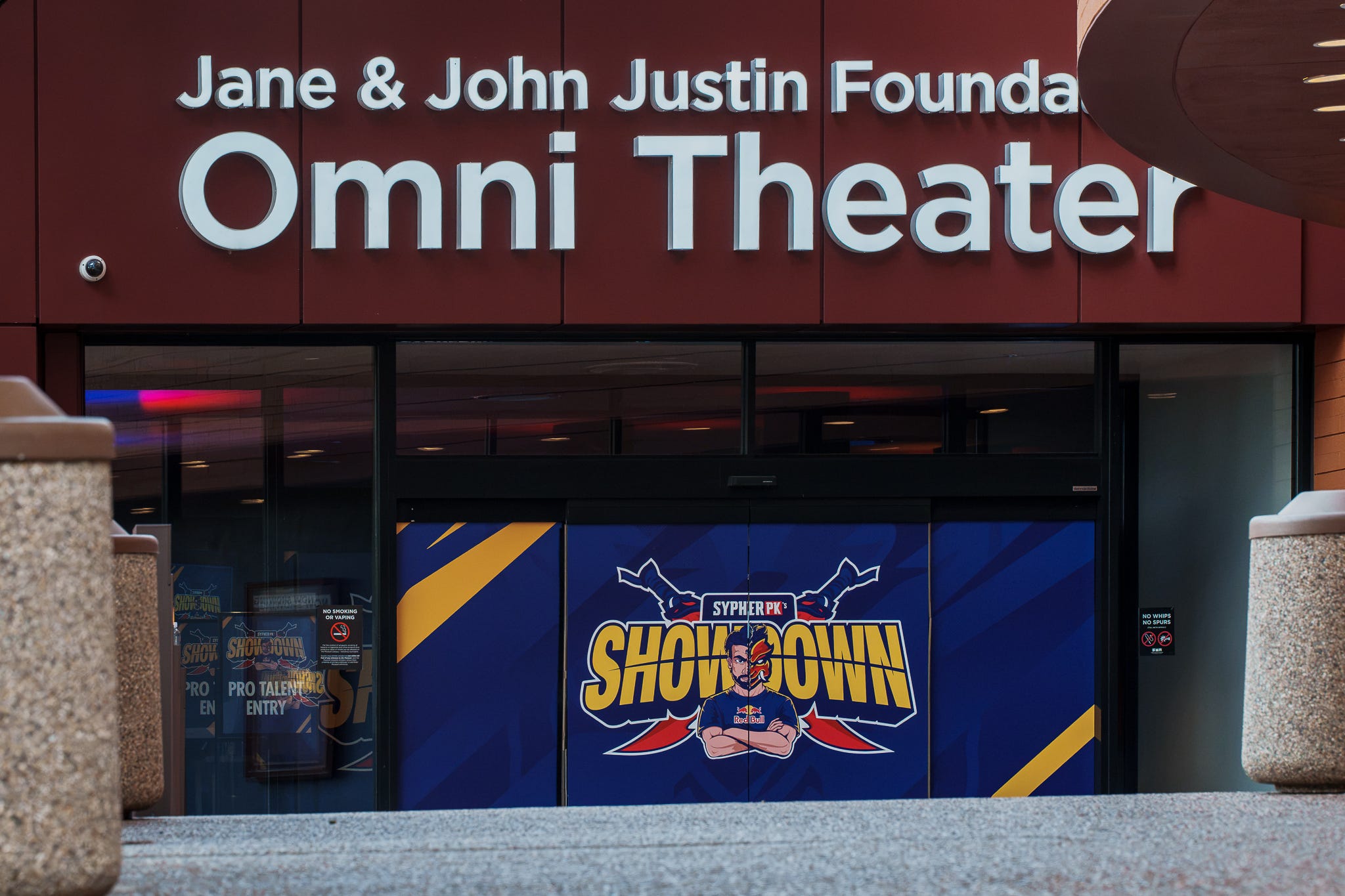
The event used an innovative tournament format that blended traditional battle royale scoring in the group stages with a 1v1, gauntlet-style grand finals among the top eight competitors.
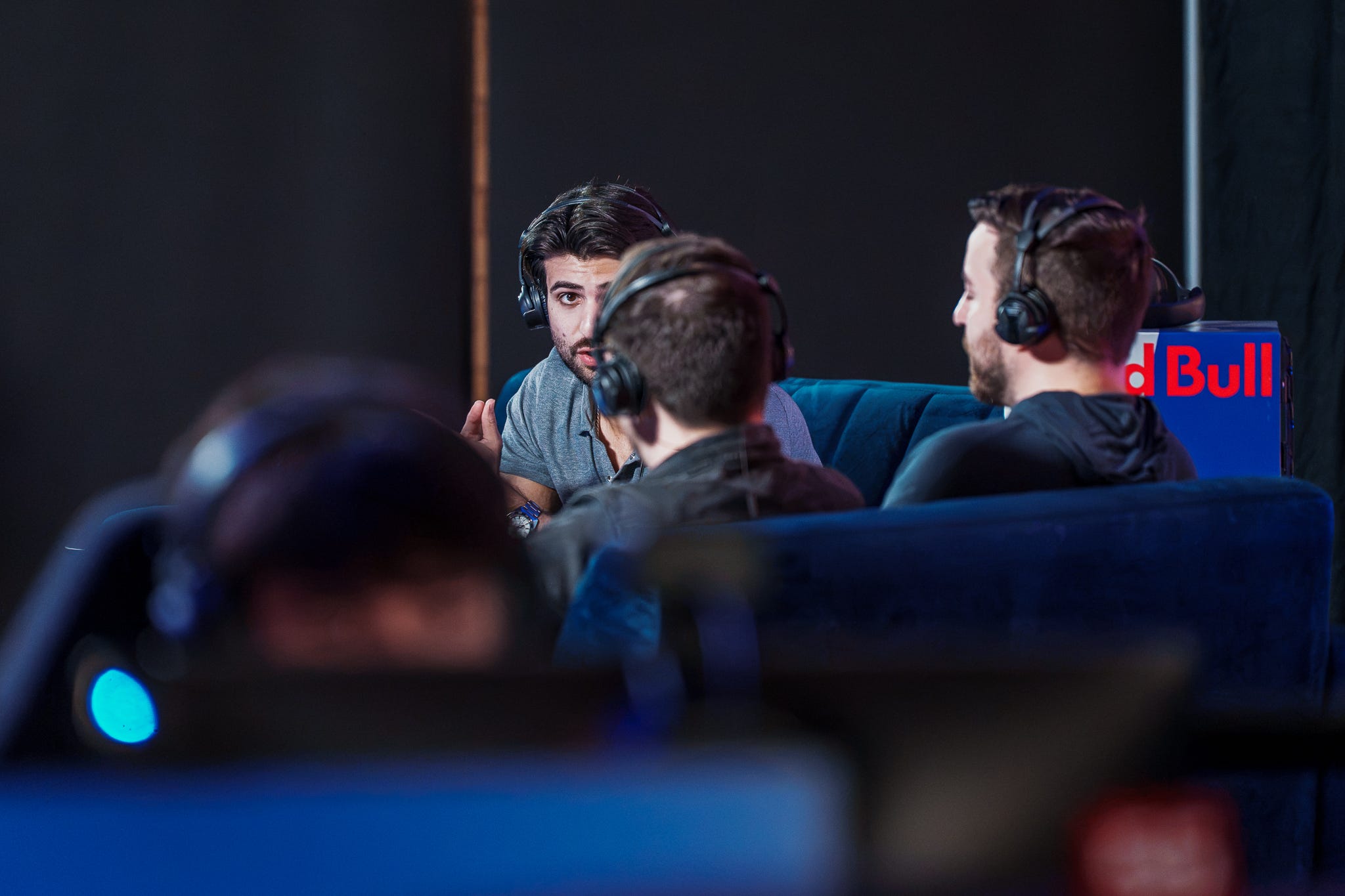
Action was split between two primary areas. First was the main hall, where attendees mingled and watched players compete in group stages while Austin-based SypherPK and friends provided live commentary. Between Fortnite-inspired Red Bull mocktails and DJ sets, it felt like a gaming party.
The other area offered the best way to follow the action: inside the Omni Theater under a massive, multi-story 8K domed LED screen—the same display technology powering immersive venues like Cosm. The main viewing window claimed much of the frontal screen real estate, while animated Red Bull branding lit up the rest of the dome. There wasn’t a bad seat in the house.


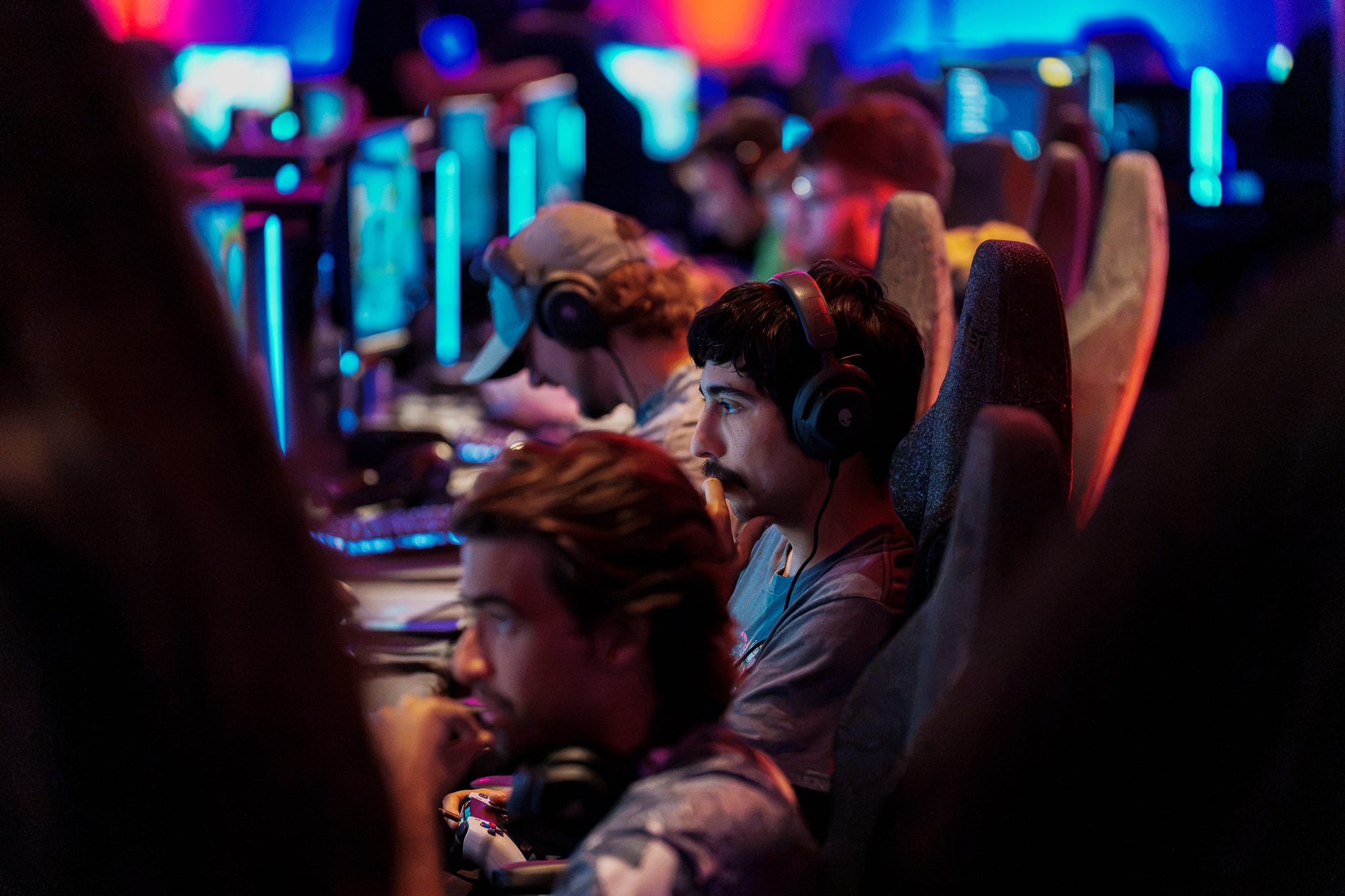
The hardware on stage served as both engine and spoils. Alienware supplied competition rigs alongside the grand prize: an Area 51 desktop packing an NVIDIA RTX 5090 graphics card and an Intel Core Ultra 9 processor. Typically priced around $6,000 in that configuration, the rig’s value eclipses the $5,000 check the winner, Reet, took home. In a clever ceremonial touch, each opponent signed the front of the chassis upon elimination, turning the PC into an ornate, signed trophy. Others walked away with Alienware 15 laptops and other memorabilia.
SypherPK explained his motivations in an on-site interview with Alienware representative Maxx Cavanaugh: “We wanted to create some amazing content with Red Bull and Alienware, and show what we can do as a community,” he said, noting he also wanted to offer tournament goers a gym for working out the nerves of competing before live crowds before taking the stage in Belgium. “It’s going to be a very memorable tournament,” Sypher added.
That payoff was obvious among the parents in attendance. Although many did not understand Fortnite’s deeper mechanics, the Showdown’s knockout finals format made the stakes immediately digestible. It mirrored the rhythm of traditional sports tournaments, where group play funnels into a sudden-death finish.
Each rung up the gauntlet ladder elicited louder cheers as onlookers anticipated an underdog knocking a top seed off the hill. I overheard several parents in awe of the spectacle, actively encouraging their children to keep trying. Not to age myself, but that reception was a far cry from my era, where competitive gaming was dismissed as a hobby rather than a profitable discipline.
Sypher confirmed we can expect future in-person events from him. “I love in-person events. I love meeting the fans and bringing out some of the top players,” he said.
His choice of venue wasn’t accidental, either. As Sypher pointed out, the Dallas-Fort Worth area quietly anchors North American competitive Fortnite, hosting key servers and serving as the operational hub for official FNCS online tournaments. With a critical mass of top pros already living in North Texas to minimize ping, the region has natural momentum as a competitive capital.
SypherPK’s first self-branded tournament had no direct bearing on the official FNCS circuit, functioning instead as an energetic appetizer. But the combination of an intimate community format and the sheer scale of the 8K dome proved that competitive battle royale doesn’t need a sprawling arena to be captivating — it just needs a format that makes it easy for everyone to follow the fight.